
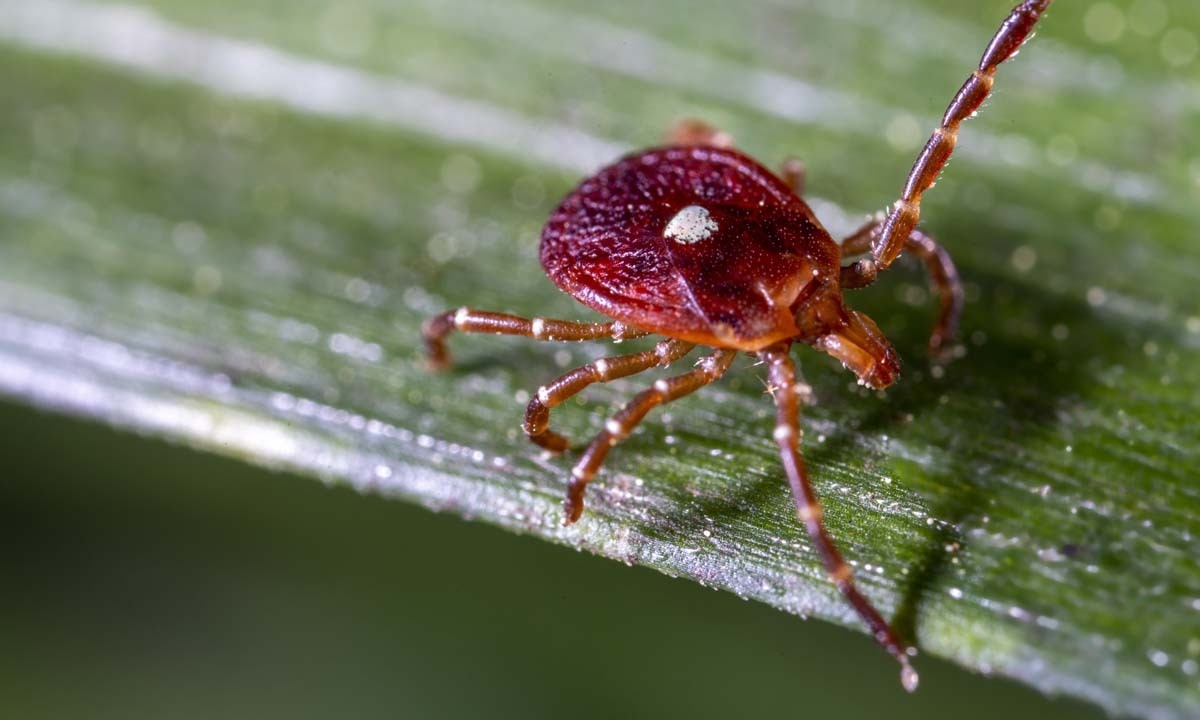
Alpha-Gal Syndrome: When a Tick Bite Causes GI Distress
Summer in North Carolina is famously hot and muggy, but it also happens to be the most active season for the lone star tick. This tiny parasite can be found in grassy and wooded areas throughout the state and in recent years has been linked to a condition called alpha-gal syndrome (AGS). While many people associate tick bites with infections like Lyme disease, AGS affects the body in a very different way. Rather than causing the kind of rash or fever associated with other tick-borne illnesses, AGS tends to produce gastrointestinal symptoms that can easily be mistaken for more familiar digestive conditions.
From Tick Bite to Syndrome
It isn’t the bite of the tick itself but rather the contents of its saliva that can lead to a person developing alpha-gal syndrome. When the lone star tick feeds on the blood of its typical hosts like livestock or deer, it picks up a particular carbohydrate molecule called alpha-gal. This molecule is present in the meat of most mammals but is generally harmless to humans if ingested; however, when it is mixed with the tick’s saliva and introduced through the skin, the human immune system may recognize it as a threat and mount an immune response.
This kind of allergic immune response is responsible for most of the symptoms associated with alpha-gal syndrome. Once the immune system has been sensitized through a tick bite, it can begin reacting to alpha-gal whenever it enters the body, including through foods the person may have eaten without issue for years. Beef, pork, lamb, and venison all contain the molecule, so a person who develops AGS can find themselves suddenly unable to tolerate red meat. This intolerance tends to manifest as gastrointestinal distress that can vary from person to person in both type and severity.
What makes AGS particularly difficult to identify is that these symptoms don’t appear right away. Unlike most food allergies, which produce a reaction within minutes, the symptoms of alpha-gal syndrome typically develop three to six hours after eating. That delay occurs because alpha-gal is absorbed along with dietary fats, which take significantly longer to digest than proteins. By the time a patient begins feeling sick, the meal that triggered the reaction may not even come to mind.1
How Is AGS Detected and Diagnosed?
Because the symptoms of alpha-gal syndrome are both digestive and delayed, the condition is often difficult to recognize at first. Patients typically seek care for recurring episodes of cramping, nausea, diarrhea, or abdominal pain without realizing the symptoms may be related to something they ate hours earlier. As a result, the condition can resemble common digestive conditions like irritable bowel syndrome (IBS) or inflammatory bowel disease (IBD). This resemblance to other disorders often prompts a range of other tests before alpha-gal syndrome is even considered.
The major clue that often points toward AGS is the timing of the symptoms. When episodes consistently develop several hours after eating beef, pork, lamb, or other mammalian meat, the pattern becomes much more suggestive of alpha-gal syndrome. In patients with a history of tick exposure, particularly in places like North Carolina where the lone star tick is common, that suspicion becomes even stronger. In these cases, a simple blood test measuring IgE antibodies to alpha-gal is generally enough to confirm the diagnosis when combined with a consistent history of delayed reactions.
Managing Alpha-gal Syndrome
Once AGS has been identified, the focus shifts from searching for a cause to managing the condition and preventing future reactions. And because there is currently no cure for AGS, the approach to treatment is centered on understanding what triggers a reaction and learning how to avoid it. For most patients, this involves a combination of dietary changes and lifestyle adjustments:
- Avoiding mammalian meat: The most important step for any AGS patient is eliminating red meat from their diet, including beef, pork, lamb, and venison. Poultry, fish, and seafood do not contain alpha-gal and remain safe to eat.
- Watching for hidden sources: Alpha-gal is also present in dairy products, gelatin, and certain animal-derived additives used in processed foods and medications. Not every patient reacts to all of these, but learning to identify potential sources and recognizing individual tolerance levels is an important part of managing the condition.
- Emergency preparedness: For patients who are at risk of severe allergic reactions from accidental exposure, carrying an epinephrine auto-injector is generally recommended. Over-the-counter antihistamines may help with mild symptoms, but they are not a substitute for epinephrine in more serious situations.
- Preventing future tick bites: Avoiding additional lone star tick bites is a critical part of long-term management because new bites can reinforce or reactivate the immune response. Using insect repellent, wearing protective clothing, and performing thorough tick checks after time outdoors all help reduce the risk.
For AGS patients who make these adjustments, the outlook is generally encouraging and the condition may not be permanent. In many cases, antibody levels decline gradually over time as long as the person avoids additional tick bites, and some patients find that their sensitivity diminishes significantly over a period of one to several years. For these patients, it may eventually become possible to reintroduce certain foods under the guidance of an allergist, though the timeline and degree of recovery vary from person to person. The key factor in that process is tick prevention, because even a single new bite can reset the immune response and bring symptoms back after a period of improvement.2
Digestive Care from Cary Gastro
Alpha-gal syndrome is still unfamiliar to many patients and providers, but for people living in areas with high tick activity, it is a possibility worth considering when digestive symptoms don’t have a clear explanation. At Cary Gastroenterology, our specialists in the Raleigh area can help evaluate unexplained GI symptoms and determine whether alpha-gal syndrome or another underlying condition may be the cause. If you are experiencing recurring digestive issues that haven't responded to treatment, contact our team to request an appointment.
1https://www.cdc.gov/alpha-gal-syndrome/about/index.html
2https://gastro.org/clinical-guidance/diagnosis-and-management-of-alpha-gal-syndrome/