
Long COVID and the Digestive System
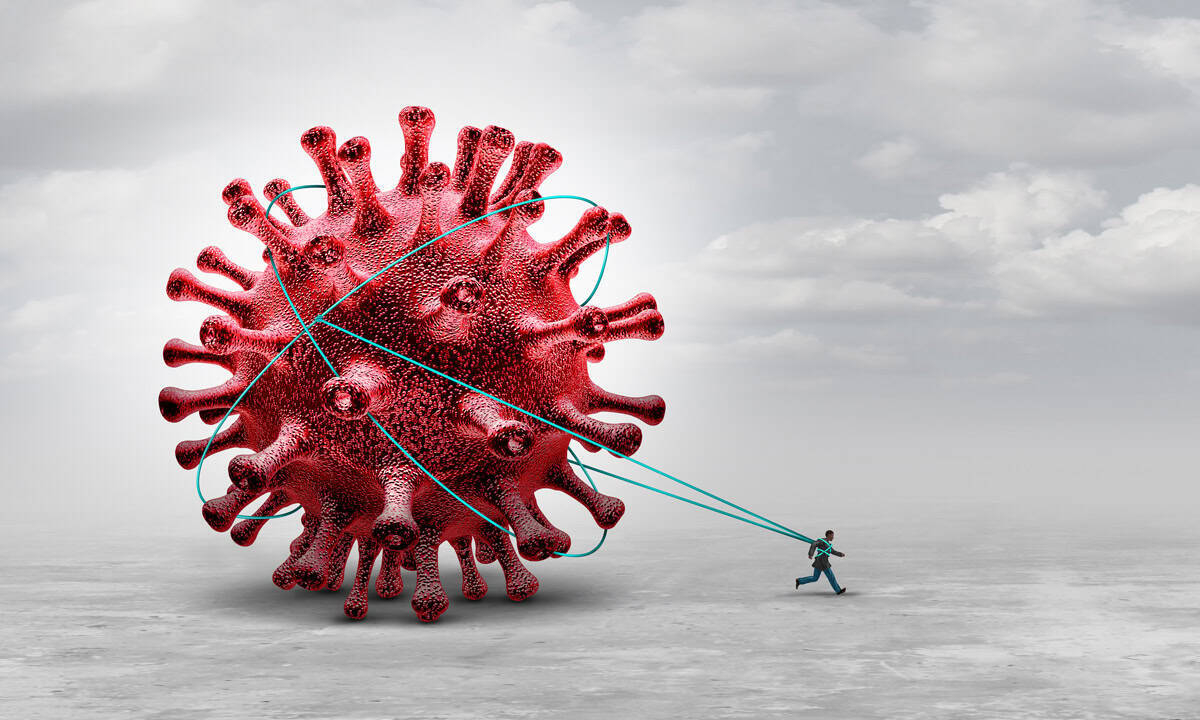
As we approach the end of 2025, it’s tempting to feel like the COVID-19 pandemic is fully behind us. The unfortunate reality is that the disease continues to affect people around the world. Even for those who recovered from their initial infection, the journey isn’t necessarily over. Long COVID remains a very real issue for many people, causing symptoms that linger long after the virus clears the body. One of the more surprising challenges presented by long COVID is its impact on the digestive system.
Understanding COVID-19 and Its Systemic Effects
COVID-19 became widely recognized as a respiratory illness during the pandemic, but the virus affects far more than the lungs. SARS-CoV-2 can impact multiple organ systems throughout the body, including the cardiovascular system, nervous system, and digestive tract. While symptoms like cough and shortness of breath received the most attention during the acute phase, researchers quickly discovered that the virus’s effects extended well beyond respiratory tissue. Understanding this systemic nature helps explain why some people continue experiencing diverse symptoms long after their initial infection resolves.
The virus binds to ACE2 receptors found on cell surfaces throughout the body. These receptors are particularly abundant in the digestive tract, appearing in the esophagus, stomach, intestines, and colon. The presence of ACE2 receptors in these locations made gastrointestinal involvement almost inevitable during COVID-19 infections. During the acute phase, many patients experienced symptoms like diarrhea, nausea, abdominal pain, and loss of appetite. Some people developed digestive complaints before any respiratory symptoms appeared, leading to initial confusion about whether they had contracted the virus at all.
Most patients saw their GI symptoms resolve as the infection cleared and their immune system eliminated the virus. A significant subset, however, continued experiencing digestive problems months after the virus was no longer detectable in their bodies. This persistent symptom pattern defines Long COVID, also known as post-COVID condition. The condition can involve ongoing respiratory issues, neurological problems like brain fog and fatigue, and gastrointestinal symptoms that significantly disrupt daily life. These prolonged effects occur even though standard tests no longer detect active viral infection, suggesting that the virus may have triggered lasting changes in how affected organ systems function.
Long COVID and the Digestive System
During acute COVID-19 infections, gastrointestinal symptoms were common and often resolved as patients recovered. Many people experienced temporary digestive disturbances that faded within weeks of clearing the infection. For a significant number of patients, however, these digestive problems never fully resolved; symptoms persisted for months, creating ongoing challenges long after tests showed no active virus. This pattern of prolonged gastrointestinal dysfunction is now recognized as a key component of Long COVID.
The persistent digestive symptoms in Long COVID often resemble irritable bowel syndrome (IBS). Patients experience chronic abdominal pain, bloating, and altered bowel habits that continue month after month. Some receive formal IBS diagnoses for the first time after their COVID-19 infection, despite having no previous digestive problems. This mirrors post-infectious IBS, where a gastrointestinal infection triggers chronic symptoms that persist after the pathogen clears. The virus appears to have disrupted normal digestive function in ways that outlast the infection itself.
These ongoing symptoms significantly impact daily life. Chronic abdominal pain limits activities and makes eating uncomfortable. Unpredictable bowel habits restrict travel, work schedules, and social participation. Many patients avoid certain foods or situations entirely, while others struggle with symptoms that have no clear pattern. The persistence of these problems proves particularly frustrating when the initial COVID-19 infection was relatively mild.1
Why Digestive Symptoms Persist: The Gut-Brain Connection
The connection between the digestive system and the brain helps explain why Long COVID affects both gut function and neurological symptoms. This gut-brain axis operates through several pathways, including the vagus nerve, immune signaling molecules, and chemicals produced by gut bacteria. Under normal conditions, this network coordinates digestion, regulates inflammation, and influences cognitive function. When COVID-19 disrupts this system, the effects ripple outward beyond the digestive tract. This disruption may explain why patients often experience digestive problems alongside brain fog and fatigue. Several specific mechanisms appear to drive these persistent symptoms:
- Microbiome changes: COVID-19 significantly alters the bbacterial communities in the intestines. Long COVID patients show reduced diversity of bacterial species and decreased levels of beneficial bacteria that produce anti-inflammatory compounds. Helpful species like Faecalibacterium prausnitzii and Bifidobacterium often decline, while potentially harmful bacteria become more abundant. This imbalance perpetuates digestive symptoms and contributes to inflammation throughout the body.
- Intestinal barrier damage: The virus can damage the intestinal lining, making it more permeable. The intestinal wall normally acts as a selective barrier, allowing nutrients through while keeping bacteria and toxins contained. When this barrier weakens, bacterial products and inflammatory molecules can enter the bloodstream. This process may explain why digestive issues often occur alongside systemic symptoms like fatigue and joint pain.
- Vagus nerve problems: The vagus nerve carries signals between the gut and brain in both directions. COVID-19 may impair vagus nerve function through direct viral effects or inflammation. Disrupted vagal signaling can affect stomach emptying, intestinal movement, heart rate, and other automatic functions. This helps explain why some patients experience both digestive symptoms and autonomic nervous system dysfunction.
- Ongoing inflammation: The immune system may remain activated even after the virus clears. Low-grade gut inflammation sends distress signals to the brain through immune molecules. This persistent inflammatory state affects how the nervous system processes digestive signals, making normal sensations feel uncomfortable or painful. The disrupted communication creates a cycle where inflammation maintains symptoms without active infection.
Supporting Gut Health During Long COVID Recovery
While research continues into targeted treatments for Long COVID, several lifestyle strategies may help support gut-brain health during recovery. These approaches focus on reducing inflammation, supporting beneficial gut bacteria, and calming the nervous system. They should complement rather than replace medical care, so discussing these options with your healthcare provider ensures they fit your specific situation and needs.
- Increase dietary fiber: Soluble fiber from foods like oats, beans, apples, and flaxseed feeds beneficial gut bacteria and promotes the production of anti-inflammatory compounds. Start slowly and increase gradually to avoid gas and bloating.
- Add fermented foods: Yogurt, kefir, sauerkraut, and kimchi contain live probiotic cultures that can help restore microbial diversity and reduce inflammation in the gut.
- Manage stress: hronic stress worsens gut symptoms by altering motility and increasing inflammation. Meditation, breathing exercises, gentle yoga, or counseling can help break the stress-gut symptom cycle.
- Prioritize sleep: Adequate sleep supports immune function and allows the gut lining to repair. Aim for consistent sleep schedules and create a calm bedtime routine to improve sleep quality.
- Try gentle movement: Light walking, stretching, or yoga can stimulate gut motility and reduce stress without triggering post-exertional crashes. Start very gradually and listen to your body’s limits.
- Limit inflammatory foods: Reducing ultra-processed foods, excess sugar, and alcohol may help calm gut inflammation, though individual tolerances vary.2
Contact Cary Gastro to Request an Appointment
If you’re experiencing persistent digestive symptoms following a COVID-19 infection, professional evaluation can help determine the best approach for your situation. Our team can assess your symptoms, rule out other potential causes, and develop a treatment plan tailored to your needs. Don’t let persistent digestive issues continue to impact your quality of life. Contact us today to request an appointment and explore how we can support your recovery.
1https://www.sciencedirect.com/science/article/abs/pii/S0024320524006908
2https://www.yalemedicine.org/news/the-gut-health-advantage-how-fiber-may-reduce-risk-for-long-covid