
Is it a Food Allergy or Histamine Intolerance?
We’ve all had a meal that seemed like a good idea at the time but left us feeling not quite right over the hours that followed. You then become something of a food detective, examining what you ate and trying to determine where things went wrong. For post-meal symptoms like headaches, stomach cramps, or nausea, the most common explanations are usually either an allergic reaction to an ingredient or some form of food poisoning. But while those conditions often fit the symptoms, they aren’t always the cause. In some cases, the underlying issue may instead be linked to a condition known as histamine intolerance.
What Is Histamine Intolerance?
The biggest difference between a food allergy and histamine intolerance is the underlying cause of the reaction. Conditions like food allergies, lactose intolerance, and celiac disease all involve different biological processes, even though they can produce overlapping digestive symptoms. A true food allergy occurs when the immune system mistakenly identifies a specific food protein as a threat and launches an inflammatory response against it. Histamine intolerance, by contrast, isn’t an immune reaction to a food but rather develops when histamine accumulates in the body faster than it can be broken down.
The body naturally produces histamine as part of normal functioning, but it can also come from foods that have been fermented or aged like hard cheeses or cured meats. Under normal circumstances, an enzyme called diamine oxidase (DAO), produced in the lining of the small intestine, breaks down dietary histamine before it reaches the bloodstream. Histamine intolerance develops when DAO activity is impaired and the enzyme can no longer break down histamine efficiently enough to keep pace with intake.
Because the condition depends on how much histamine the body is processing at any given time rather than on a reaction to a specific food, the symptoms are inconsistent in a way that food allergies are not. A patient might tolerate aged cheese at lunch and then react to it at dinner after also having wine and a tomato-based sauce. The combined histamine load, rather than any single item, is what pushes past the body’s ability to break it down efficiently. This cumulative pattern is part of what makes histamine intolerance difficult to recognize, since reactions may appear inconsistent from one meal to the next.1
How Is Histamine Intolerance Identified?
One of the biggest challenges with histamine intolerance is that there is no single symptom pattern or definitive test that immediately points to the condition. Because the reactions can resemble food allergies, digestive disorders, or even environmental sensitivities, diagnosis often involves ruling out more common explanations first. Depending on the symptoms involved, that evaluation may include:
- Skin prick testing or specific IgE blood tests to rule out true food allergies
- Testing for celiac disease, lactose intolerance, or fructose malabsorption
- Evaluation for inflammatory bowel disease or other gastrointestinal disorders
- Blood testing or genetic screening related to DAO activity in some cases
However, the most reliable way to identify histamine intolerance is through dietary response. A patient follows a strict low-histamine diet for several weeks while tracking symptoms. If symptoms improve during the elimination period and then return when high-histamine foods are reintroduced, that pattern strongly suggests histamine intolerance. Once that pattern becomes clear, the focus typically shifts away from searching for trigger foods and toward managing overall histamine load and addressing any underlying contributors.2
Underlying Causes and Contributing Factors
A key factor in the development of histamine intolerance is the health of the intestinal lining where DAO is produced. Conditions that damage or inflame this tissue can reduce the body’s ability to break down histamine effectively, leading to histamine accumulation. Inflammatory bowel disease (IBS), celiac disease, and small intestinal bacterial overgrowth (SIBO) are all associated with decreased DAO production. Histamine intolerance can then develop alongside these conditions, creating symptoms that overlap with and complicate the original diagnosis.
Apart from underlying conditions that directly damage the intestinal lining, another potential cause of histamine intolerance is related to genetics. Some patients are born with variations in the gene responsible for producing DAO, and this can result in a naturally lower level of enzyme activity. Individuals who are genetically predisposed often experience recurring symptoms for years without a clear explanation. Since reduced enzyme activity alone may not cause obvious problems, the condition often is not recognized until other contributing factors come into play.
There are also certain medications that can further suppress DAO activity and make histamine intolerance more likely by interfering with the enzyme’s function. Examples of these medications include widely prescribed antibiotics, antidepressants, blood pressure medications, and pain relievers. Alcohol consumption can further complicate histamine intolerance because its metabolic byproducts compete with histamine for the same metabolic pathways involved in breaking it down. Red wine is a common trigger precisely because it combines high histamine content with a substance that simultaneously impairs the body's ability to process it.
Management Strategies
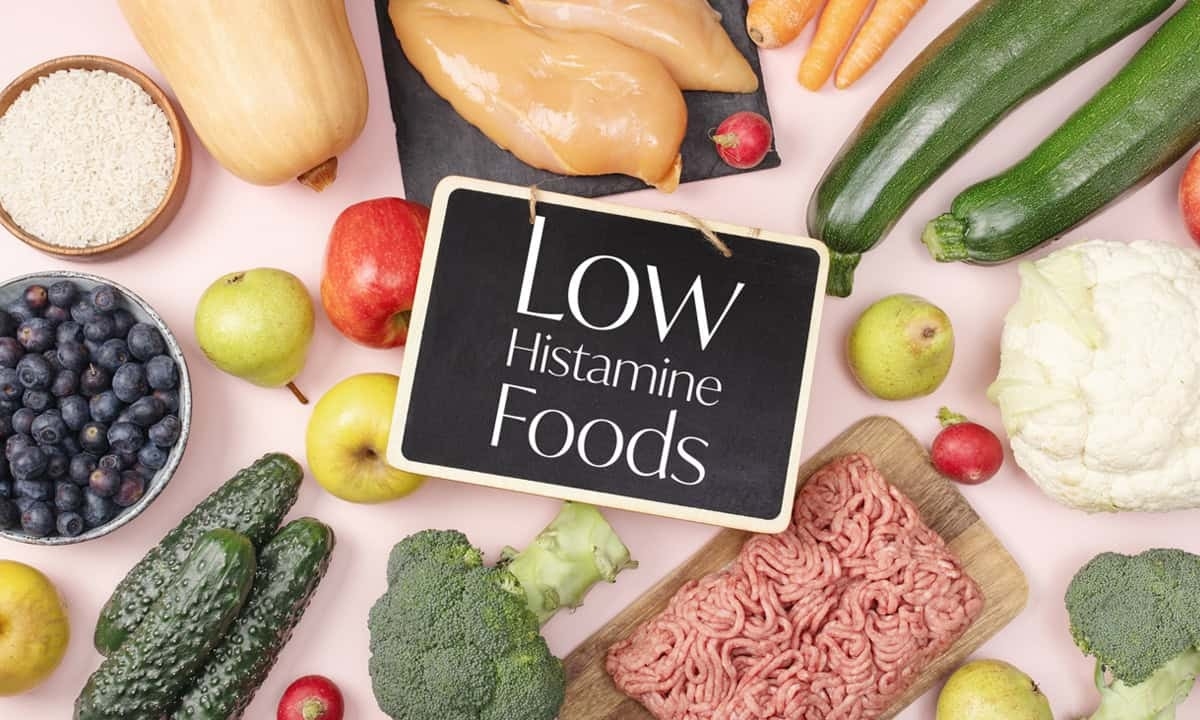
For patients who are ultimately diagnosed with histamine intolerance, the primary management strategy is to reduce the overall histamine load and therefore the amount the body has to process at any given time. A low-histamine diet calls for eliminating or drastically reducing the consumption of fermented foods, aged cheeses, cured meats, some types of fish, and alcohol. Histamine levels also generally tend to increase as food ages, which means leftovers can trigger symptoms even if the original meal didn’t.
For patients who continue to experience symptoms despite dietary changes, DAO enzyme supplements may help break down histamine more effectively. Antihistamines may also provide temporary symptom relief during flare-ups, though they don’t address the underlying causes of the condition. Long-term management often requires addressing the factors contributing to impaired DAO activity. Treatment for inflammatory bowel disease, celiac disease, SIBO, or other associated conditions can sometimes improve the body’s ability to process histamine more effectively over time.
Contact Cary Gastro for Digestive Health
Histamine intolerance is usually challenging to diagnose because of how the symptoms overlap with other gastrointestinal conditions. At Cary Gastro, our team of board-certified gastroenterologists works with patients to identify the underlying causes of persistent digestive symptoms and develop management strategies tailored to each individual case. If you are experiencing recurring post-meal symptoms, unexplained digestive discomfort, or reactions that have been difficult to trace to a specific cause, contact us today to request an appointment.
1https://pmc.ncbi.nlm.nih.gov/articles/PMC12029945/
2https://pmc.ncbi.nlm.nih.gov/articles/PMC7463562/