
The Gut Health Trio: Understanding Prebiotics, Probiotics, and Postbiotics
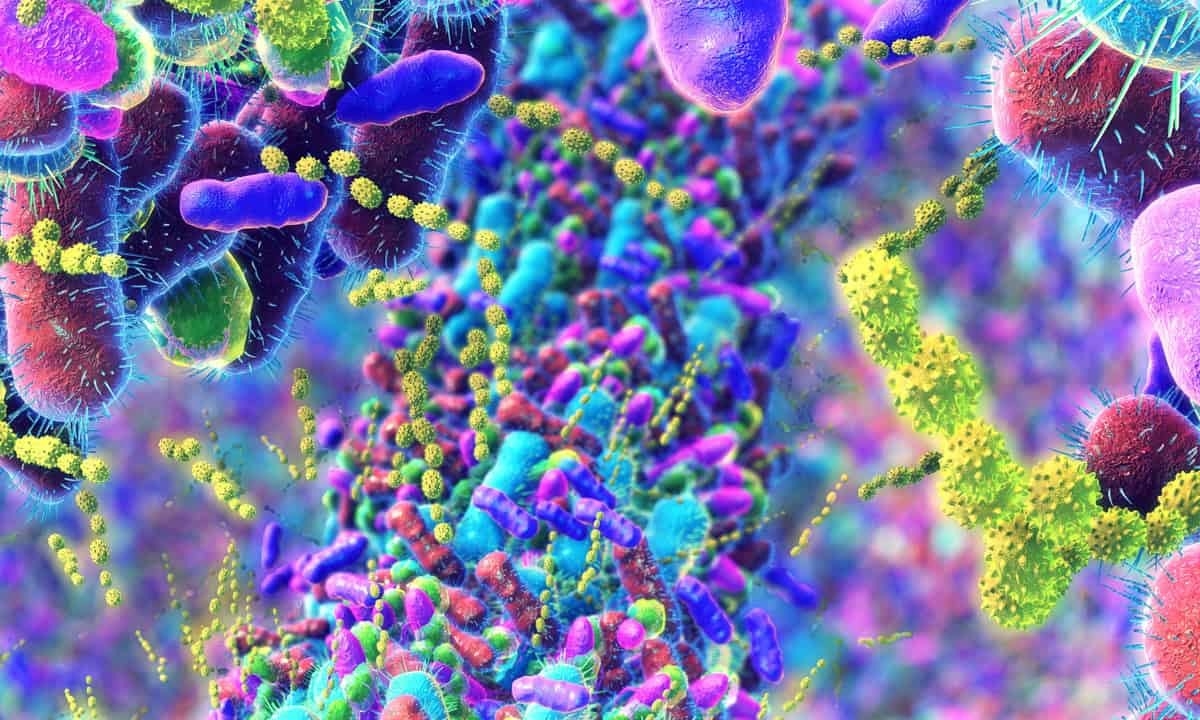
The trillions of bacteria living in the human digestive tract do considerably more than assist with digestion. Research into the gut microbiome has established that these microbial communities influence immune function, inflammation, and aspects of health that extend well beyond the gut itself. As that science has developed, so has a set of terms that now appear regularly on supplement labels and food packaging: prebiotics, probiotics, and more recently, postbiotics. Each refers to something distinct, and understanding how they differ helps clarify what the research around them actually means for digestive health.
Three Terms, Three Roles
Probiotics are the most familiar of the three terms, and the simplest to define. They are live microorganisms, primarily bacteria, that confer a health benefit when consumed in adequate amounts. The gut already contains a vast and complex community of bacteria, and probiotics work by contributing to and supporting that population. They are found naturally in fermented foods like yogurt, kefir, and sauerkraut, and are widely available as supplements. The goal with probiotics is straightforward: introduce beneficial organisms into the digestive environment and let them do their work.
Prebiotics are what those organisms eat. They are a category of dietary fiber that the human body cannot digest on its own, which means they pass through the upper digestive tract largely intact and arrive in the colon available as fuel for the bacteria living there. Foods like garlic, onions, bananas, and whole grains are naturally rich in prebiotic fiber. Without adequate prebiotic intake, even a healthy population of beneficial bacteria has less to work with, which is why the two are often discussed together.
Postbiotics are what the bacteria produce. When probiotic bacteria ferment prebiotic fiber in the colon, they generate a range of byproducts, including compounds called short-chain fatty acids, along with other bioactive molecules. These byproducts are collectively referred to as postbiotics, and they are now understood to be responsible for many of the benefits long associated with a healthy microbiome. The concept is relatively new in clinical terms, but the compounds themselves have always been part of how a well-functioning gut operates.1
What Postbiotics Do in the Gut
When probiotic bacteria ferment prebiotic fiber in the colon, the byproducts they generate don’t simply pass through but also act on the gut in ways that have direct physiological effects. The most significant of these compounds are short-chain fatty acids like butyrate that serve as the primary fuel source for the cells lining the colon. Those cells depend on a steady supply of butyrate to maintain the tight junctions that keep the intestinal barrier intact, preventing harmful substances from crossing into the bloodstream. Short-chain fatty acids also help regulate inflammation and support immune activity in the gut lining, which is why a fiber-rich diet has long been associated with better digestive health.
Postbiotics as a category extend beyond short-chain fatty acids. Microbial cell fragments, peptides, and other signaling molecules produced during fermentation also fall under the term, and research suggests that many of these compounds interact with immune cells, shape the local gut environment, and contribute to microbiome stability. What connects them is that they are produced by the microbiome rather than being part of it. That distinction has become increasingly relevant as researchers have worked to understand not just which bacteria support good health, but what those bacteria are actually doing.
Getting the Most from Your Microbiome
For most people, the foundation of a healthy microbiome doesn’t require supplements or specialized products. A diet that includes adequate fiber from vegetables, fruits, legumes, and whole grains provides the prebiotic material that gut bacteria need to thrive. Fermented foods like yogurt, kefir, and sauerkraut contribute probiotics naturally. When those elements are in place, postbiotic production follows as a normal part of how a healthy gut operates.
That said, diet alone doesn’t always tell the whole story. Probiotic supplements can be useful in specific situations, such as restoring bacterial balance after a course of antibiotics, or for people whose diets don’t reliably include fermented foods. Postbiotic supplements are a newer category and less widely available, but they follow a similar logic: providing compounds the gut would ideally be producing on its own. For someone eating well and without significant digestive issues, the microbiome is likely already doing much of this work. For someone who isn’t, or who is managing a chronic digestive condition, the picture looks different.
When Postbiotics Become a Clinical Tool
Where postbiotics become a more specific clinical consideration is in patients whose gut environment makes it harder to sustain that natural process. People managing irritable bowel syndrome, for example, often have a microbiome that is dysregulated in ways that limit the effectiveness of standard dietary approaches. The bacterial communities that would normally generate postbiotic compounds are less stable, and the gut itself may be more reactive to the fermentation process that produces them. In those cases, delivering postbiotic compounds more directly offers a way to support the gut without depending on a compromised system to do the work.
The clinical research behind this is still developing, but early findings are encouraging. A randomized controlled trial published in the journal Gut Microbes2 found that a heat-treated postbiotic performed comparably to a live probiotic in reducing IBS symptom severity, with patients in both groups reporting meaningful improvements in abdominal pain, stool consistency, and quality of life. For gastroenterologists treating patients with chronic digestive conditions, that kind of evidence positions postbiotics as a legitimate area of clinical interest rather than simply a supplement trend. Whether they’re appropriate for a specific patient depends on the individual, which is why the conversation is worth having with a specialist.
Contact Cary Gastro
Understanding how prebiotics, probiotics, and postbiotics each contribute to gut health is a starting point, but applying that understanding to a specific digestive concern is where a gastroenterologist can help. Whether you are managing a condition like IBS or simply looking to support your digestive health more intentionally, the team at Cary Gastroenterology can help evaluate your symptoms and guide you toward an approach that fits your situation. Contact us today to request an appointment.
1https://pmc.ncbi.nlm.nih.gov/articles/PMC9863882/
2https://pmc.ncbi.nlm.nih.gov/articles/PMC11028008/