
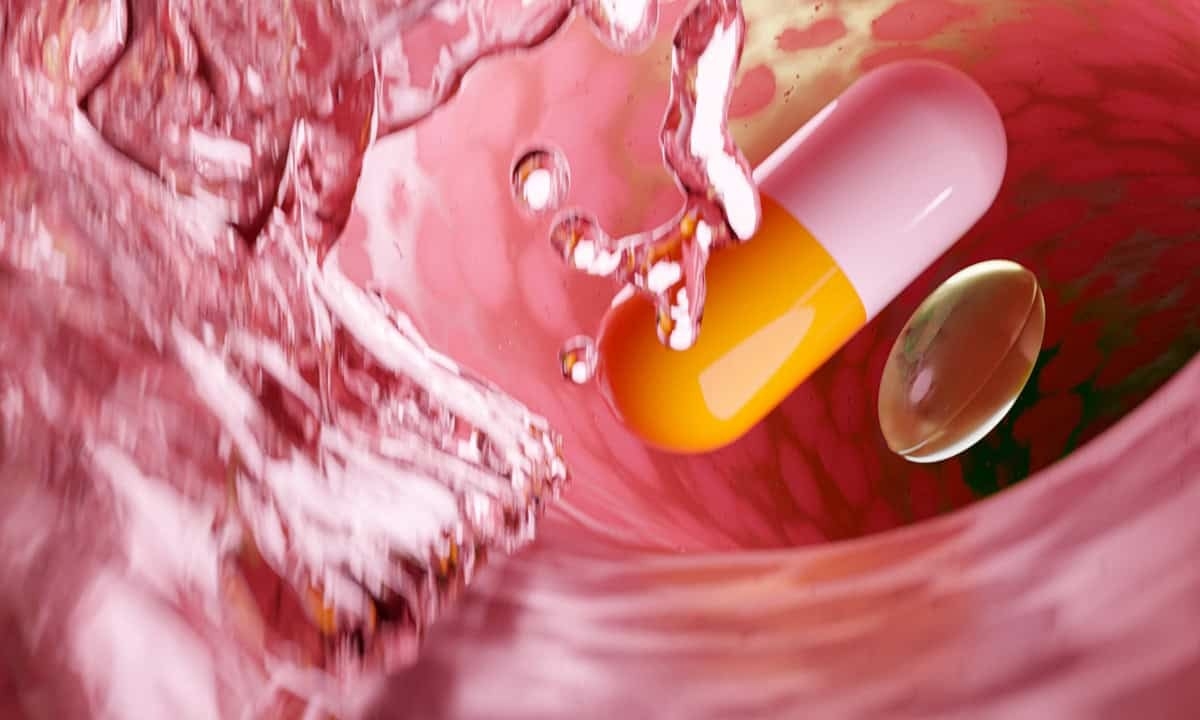
Medication-Induced Esophagitis: When Pills Damage the Esophagus
Medications are prescribed to heal, bring relief, or help the body function normally, and most people take them expecting those benefits. Yet those benefits can only happen once the pill reaches the stomach, where it dissolves and enters the bloodstream. But what happens if a pill gets stuck along the way? Medication-induced esophagitis occurs when a pill becomes lodged in the esophagus or moves through too slowly, releasing its contents directly against the esophageal lining in a way that can cause inflammation and damage.
How Medication Moves Through the Body
Under normal circumstances, swallowing a pill triggers the same coordinated series of muscle contractions that occurs when eating food. The contractions (known as peristalsis) push the pill down the esophagus and past the lower esophageal sphincter to the stomach. Once in the stomach, the pill dissolves and is then able to be absorbed into the bloodstream. This process usually takes just a few seconds, and the esophageal lining is optimized for that kind of brief transit rather than prolonged contact with medication.
If the pill’s transit is disrupted for some reason or becomes lodged in the esophagus, it may begin to dissolve before it actually reaches the stomach. When this happens, the medication can’t be properly absorbed and the pill’s contents are released directly onto the esophageal lining. Many medications contain ingredients that are acidic, alkaline, or otherwise irritating when concentrated in one spot, and this localized exposure can cause inflammation and erosions.1
Which Medications Are Most Likely to Cause Esophagitis?
While theoretically any pill could cause problems if it becomes stuck in the esophagus, certain medications are far more likely to cause injury because of their chemical properties. Clinical research has identified several classes of drugs that account for the majority of medication-induced esophagitis cases:
- Antibiotics: Nearly half of all reported cases involved antibiotics like doxycycline and tetracycline that are often prescribed for acne, respiratory infections, and tick-borne illnesses. These medications are typically dispensed in large gelatin capsules that can easily stick to the esophageal wall. When they dissolve, they create a highly acidic environment that causes focal chemical burns.
- Bisphosphonates: Medications like alendronate (Fosamax) are widely prescribed to prevent and treat osteoporosis, and they are highly caustic to the esophageal lining. When alendronate was introduced in the 1990s, reports of severe pill esophagitis surged, with some cases resulting in deep ulcers and strictures. This led to strict dosing instructions: patients must take the medication with a full glass of water on an empty stomach and remain upright for at least 30 to 60 minutes.
- NSAIDs (Non-Steroidal Anti-Inflammatory Drugs): Over-the-counter pain relievers like aspirin, ibuprofen, and naproxen work by inhibiting prostaglandins, chemicals that help maintain the protective mucosal barrier in the digestive tract. Without this barrier, the esophageal lining becomes more vulnerable to damage from stomach acid that refluxes upward.
- Potassium and iron supplements: Potassium chloride is frequently prescribed to patients taking certain diuretics for high blood pressure or heart failure. Slow-release potassium tablets can cause severe hyperosmolar damage if they become lodged—they draw water out of surrounding tissue, leading to deep ulcers and scarring. Iron supplements (ferrous sulfate), commonly used to treat anemia, are highly acidic and can cause direct chemical burns to the esophagus.
- Cardiovascular medications: Certain heart medications can cause esophagitis through direct injury or by promoting acid reflux. Calcium channel blockers like amlodipine can relax the lower esophageal sphincter, allowing stomach acid to wash back into the esophagus. Dabigatran (Pradaxa), a blood thinner used to prevent strokes in patients with atrial fibrillation, contains a tartaric acid core that can cause severe injury if the capsule becomes lodged. The acid leaches out and causes the esophageal lining to slough off.
- Chemotherapy drugs: Medications like methotrexate and others used in cancer treatment can cause esophageal injury through direct toxicity to rapidly dividing cells, interfering with the normal repair and regeneration of the esophageal lining.2
Recognizing the Symptoms
The onset of medication-induced esophagitis is typically sudden and can be quite dramatic. A patient may take a pill at bedtime and wake up a few hours later with severe symptoms. The most common sign is retrosternal chest pain, which means pain located behind the breastbone. It’s often described as a constant, severe burning or aching sensation, and because of its location and intensity, many patients initially worry they’re having a heart attack.
Another characteristic symptom is severe pain that accompanies swallowing (odynophagia). This pain can be intense enough that some patients even avoid eating or even swallowing their own saliva. Difficulty swallowing (dysphagia) or the sensation that food is sticking in the chest is also common, along with heartburn that may radiate upward toward the neck. In severe cases, patients may experience nausea, vomiting, or vomiting blood, which indicates significant esophageal bleeding.
Certain habits increase the risk of developing these symptoms. Taking pills with little or no water, swallowing medications immediately before lying down to sleep, or taking multiple pills at once all make it more likely that a pill will become stuck. Elderly patients are particularly vulnerable because they often take multiple medications, may have reduced saliva production, and can experience age-related decline in the muscle contractions that move pills through the esophagus. People with pre-existing esophageal conditions like strictures or severe acid reflux are also at higher risk.
Diagnosis and Treatment
If you’re experiencing symptoms that suggest medication-induced esophagitis, the diagnosis typically starts with a detailed discussion of your recent medications and how you took them. Your doctor will ask whether you took pills with water, whether you lay down shortly after taking them, and which specific medications you’ve been using. This history alone is often enough to strongly suspect the condition, particularly if symptoms began shortly after taking a known problematic medication like doxycycline or alendronate.
To confirm the diagnosis and assess the severity of the injury, an upper endoscopy is usually performed. During this procedure, a thin flexible tube with a camera is passed down the throat to visually inspect the esophageal lining. The injury from pill esophagitis is typically localized to the middle portion of the esophagus and may appear as redness, erosions, or distinct ulcers. In some cases, remnants of the pill may still be visible embedded in the tissue.
Treatment focuses on allowing the esophagus to heal, and the most important step is to immediately stop taking the medication that caused the injury. If the medication is essential, your doctor will switch you to a different drug or an alternative delivery method. Acid-suppressing medications like proton pump inhibitors are usually prescribed to reduce stomach acid and create a more favorable healing environment. For severe pain, topical anesthetics or coating agents may provide relief. Most cases resolve completely within one to two weeks with proper management.
When to See a Gastroenterologist
Medication-induced esophagitis is painful and can be serious, but it’s also highly preventable. If you’re experiencing sudden chest pain, difficulty swallowing, or pain when swallowing after starting a new medication, don’t wait to get it checked out. At Cary Gastroenterology Associates, our team can help diagnose the problem, provide relief, and work with you to prevent it from happening again. Contact us today to request an appointment.
1https://www.ncbi.nlm.nih.gov/books/NBK549818/
2https://pmc.ncbi.nlm.nih.gov/articles/PMC9589134/