
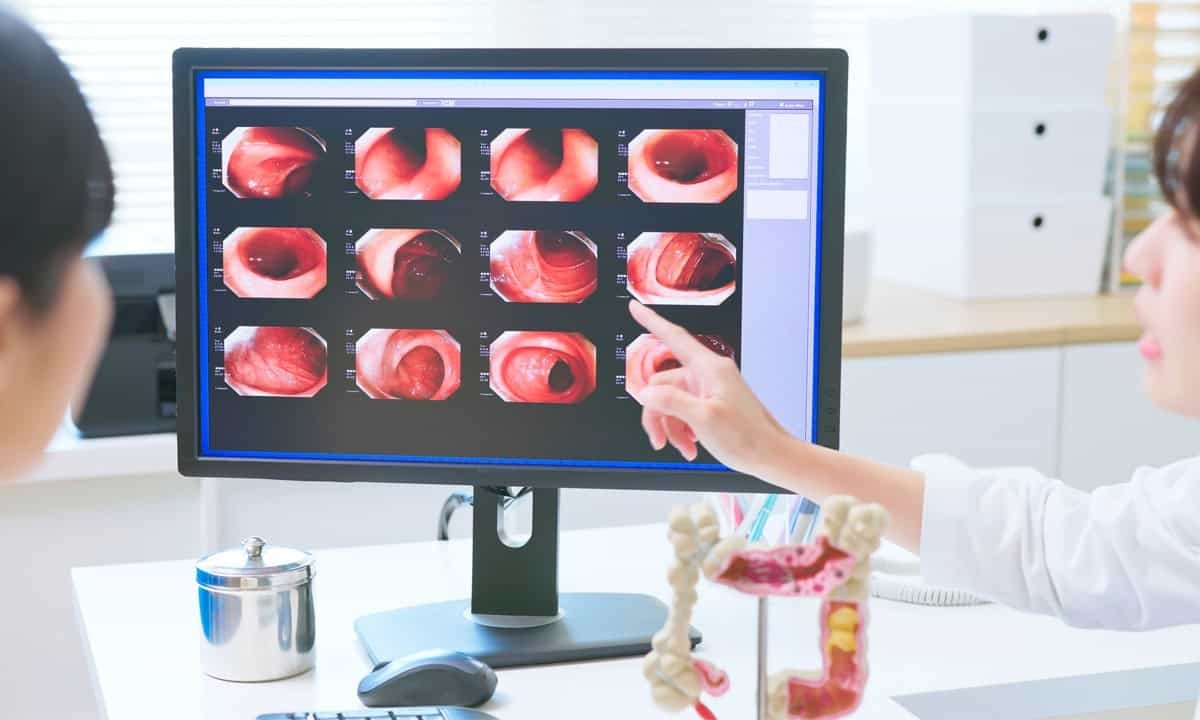
After a Colonoscopy: Understanding Your Polyp Results
Nobody looks forward to a colonoscopy, but it remains an important part of colorectal cancer prevention for adults over 45. The procedure is especially valuable because it allows doctors to find and remove polyps, the small growths from which most colorectal cancers develop. Detecting and removing polyps is often just the beginning, however; the kind and location of the polyp can determine a lot about treatment and the potential for becoming cancerous. Understanding your pathology results, what different polyp types mean for cancer risk, and when you’ll need your next colonoscopy helps you work with your gastroenterologist to develop a surveillance plan tailored to your specific findings.
Types of Polyps and Their Risk Levels
Not all polyps carry the same cancer risk. Pathologists classify polyps based on their microscopic appearance and cellular characteristics, which determines how likely they are to develop into cancer over time. Some polyps are essentially benign with minimal cancer potential, while others are considered precancerous and require closer monitoring. The specific type of polyp found during your colonoscopy directly influences how soon you’ll need to return for another screening.
- Hyperplastic polyps: These small growths typically have very low cancer potential and are generally considered benign. Most hyperplastic polyps are found in the rectum or sigmoid colon and show a characteristic saw-tooth pattern under the microscope. While they’re routinely removed during colonoscopy, finding small hyperplastic polyps usually doesn’t significantly change when you’ll need your next exam.
- Adenomatous polyps (adenomas): Adenomas are the most common type of precancerous polyp and develop from glandular tissue in the colon lining. Over time, some adenomas can accumulate cellular changes that lead to colorectal cancer, which is why they’re always removed when found. Adenomas are further classified by their growth pattern: tubular adenomas have tube-shaped glands and represent the most common type, while villous adenomas show finger-like projections and carry higher cancer risk. Tubulovillous adenomas contain features of both types. Larger adenomas or those with villous characteristics are considered advanced adenomas and require more frequent follow-up.
- Sessile serrated polyps: Also called sessile serrated adenomas, these polyps typically appear flat or broad-based rather than growing on a stalk, which can make them harder to detect during colonoscopy. They show the same saw-tooth microscopic pattern as hyperplastic polyps but behave more like adenomas in terms of cancer risk. Sessile serrated polyps are thought to be responsible for a significant portion of colorectal cancers through a different pathway than typical adenomas, making their removal and appropriate follow-up particularly important.
- Traditional serrated adenomas: These less common polyps combine serrated microscopic features with adenoma-like behavior and usually grow on a stalk. They’re considered precancerous and are generally treated as high-risk polyps for follow-up purposes, similar to advanced adenomas.
- Inflammatory polyps: In patients with inflammatory bowel disease like ulcerative colitis or Crohn’s disease, inflammatory polyps (also called pseudopolyps) can develop from inflamed tissue. These aren’t true polyps and don’t turn into cancer themselves, though the underlying inflammatory bowel disease carries its own cancer risk that requires separate management.1
How Polyp Findings Determine Follow-Up Care
Your gastroenterologist doesn’t evaluate polyp findings in isolation. The recommendation for when you’ll need your next colonoscopy depends on several factors like the type of polyps found, their size, how many were present, and whether they were completely removed. This explains why two patients who both “had polyps” might receive very different follow-up schedules; one might return in three years while another waits seven to 10 years. The combination of characteristics matters more than any single feature, and gastroenterologists use established guidelines to assess cancer risk based on these combined findings.
The size of the polyp also plays a significant role in risk assessment. Smaller polyps (less than 10 millimeters) generally carry lower risk than larger ones, even when they’re the same type. A single small tubular adenoma has a different risk profile than a large adenoma with villous features, and follow-up timing reflects this difference. The number of polyps also influences recommendations. Finding one or two small adenomas suggests lower future risk than discovering five or more, which indicates a colon that tends to produce polyps more readily and requires closer monitoring.
Whether polyps were completely removed also affects the follow-up plan. In most colonoscopies, polyps are removed entirely and pathology confirms clean margins, meaning no polyp tissue remains at the edges. Occasionally, very large or flat polyps must be removed in pieces, which can make complete removal harder to confirm. If there’s any concern about residual polyp tissue, your gastroenterologist might recommend an earlier follow-up colonoscopy to check the removal site. These decisions reflect the reality that cancer risk exists on a spectrum rather than as a binary outcome. Your doctor weighs multiple factors together to create an appropriate monitoring schedule based on your individual findings.
When You’ll Need Your Next Colonoscopy
Organizations like the American College of Gastroenterology have established guidelines for follow-up colonoscopy timing based on polyp findings. These recommendations balance detecting new polyps early against avoiding unnecessary procedures, with intervals reflecting your individual risk level.
- No polyps or only hyperplastic polyps: A normal colonoscopy or one showing only small hyperplastic polyps warrants repeat screening in 10 years. These findings indicate very low cancer risk for the next decade.
- Low-risk adenomas (1-2 small): One or two tubular adenomas smaller than 10 millimeters represent low-risk findings. The recommended follow-up is 7-10 years, depending on other factors like family history and exam quality.
- Intermediate-risk findings (3-4 small adenomas): Several adenomas suggest moderately increased risk. Follow-up colonoscopy is typically recommended in 3-5 years.
- High-risk findings: This category includes 5+ adenomas, any adenoma 10mm or larger, adenomas with villous features or high-grade dysplasia, and certain sessile serrated polyps. These findings warrant closer monitoring with follow-up in 1-3 years depending on specific characteristics.
- Special circumstances: Very large polyps removed in pieces may require a short-term follow-up in 6 months to verify complete removal, while finding more than 10 polyps typically prompts evaluation in 1 year.2
Lifestyle Steps to Reduce Polyp Risk
While no dietary or lifestyle changes guarantee you won’t develop more polyps, research suggests certain habits can lower your risk. A diet rich in fruits, vegetables, whole grains, and legumes provides fiber that supports digestive health and may reduce polyp formation. Limiting red and processed meats, maintaining a healthy weight through regular physical activity, and avoiding tobacco all contribute to lower colorectal cancer risk. If you drink alcohol, keeping consumption moderate (no more than one drink daily for women or two for men) also helps. These same habits that reduce polyp risk provide broader health benefits for your heart, metabolism, and overall wellbeing, making them worthwhile changes regardless of your colonoscopy findings.
Contact Cary Gastroenterology About Colonoscopy Screening
Colonoscopy results may involve unfamiliar terminology, but the procedure remains one of the most important tools for preventing colorectal cancer. If you’re 45 or older and haven’t had a colonoscopy, or if you’re due for follow-up screening based on previous findings, the physicians at Cary Gastro can help. Our team provides comprehensive colorectal cancer screening and works with patients to interpret results, develop appropriate follow-up schedules, and address any concerns about the procedure. Don’t let questions or uncertainty delay screening that could save your life. Contact us today to request an appointment and take an active role in protecting your digestive health.
1https://www.cancer.org/cancer/diagnosis-staging/tests/biopsy-and-cytology-tests/understanding-your-pathology-report/colon-pathology/colon-polyps-sessile-or-traditional-serrated-adenomas.html
2https://gi.org/topics/colorectal-cancer/